ArtRio 2025


For ArtRio 2025, we have brought together works that intertwine matter and
concept, creating weaves that not only sustain their formal constructions, but
also open space for new poetic and critical readings. These works evoke the
power of the act of weaving as a metaphor for thought and creation.
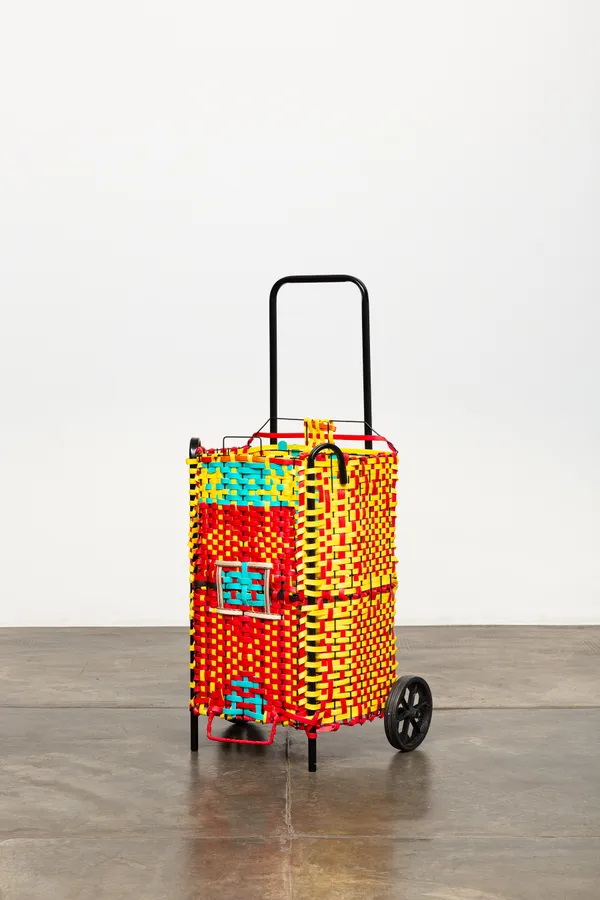
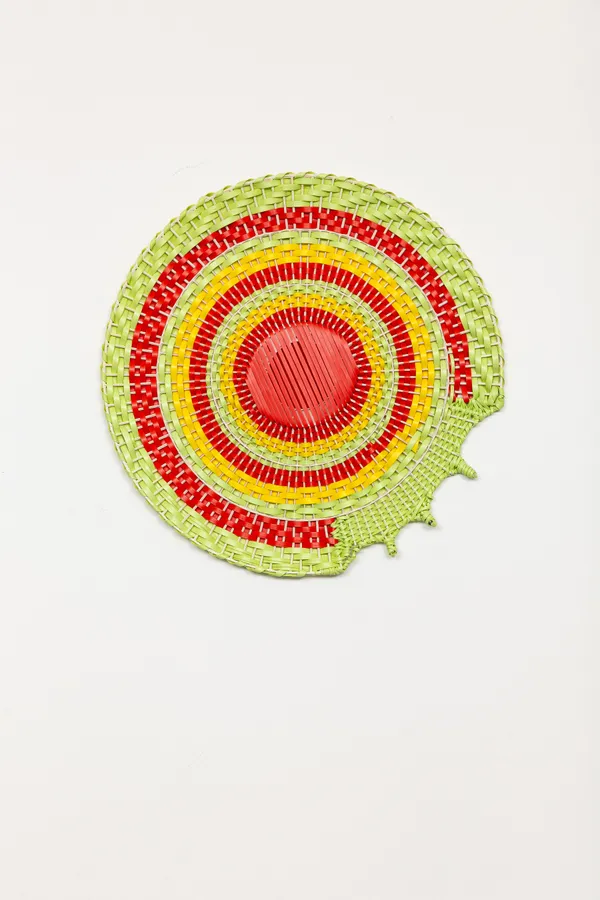
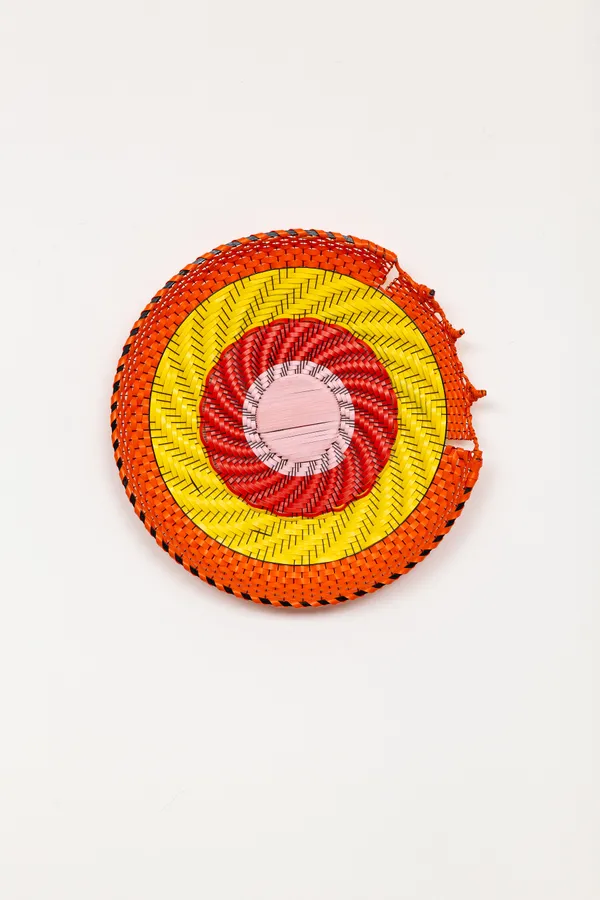
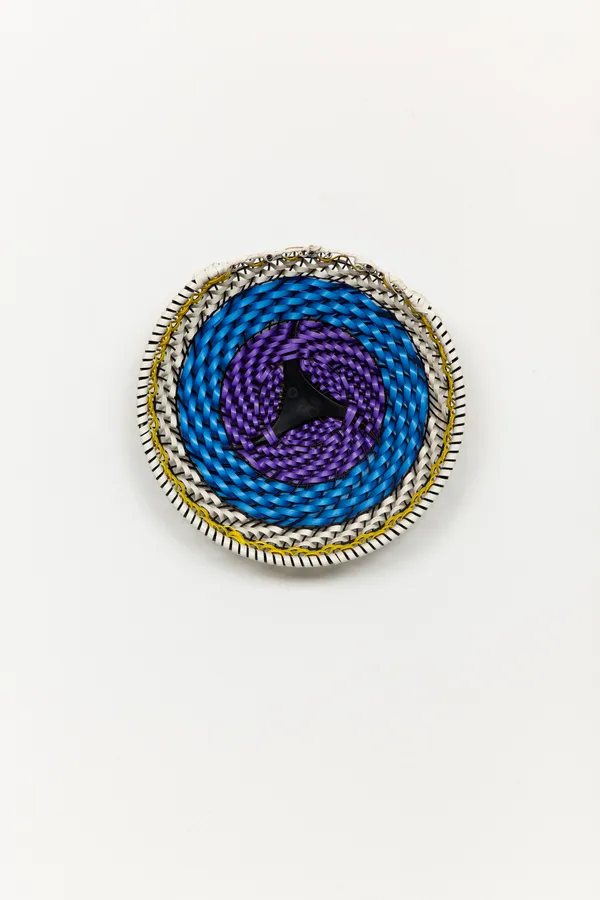
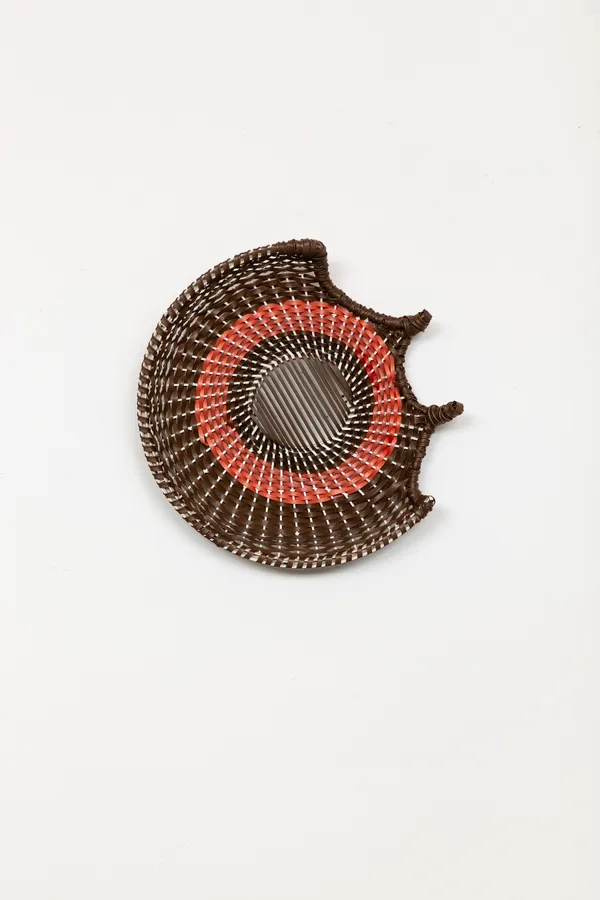
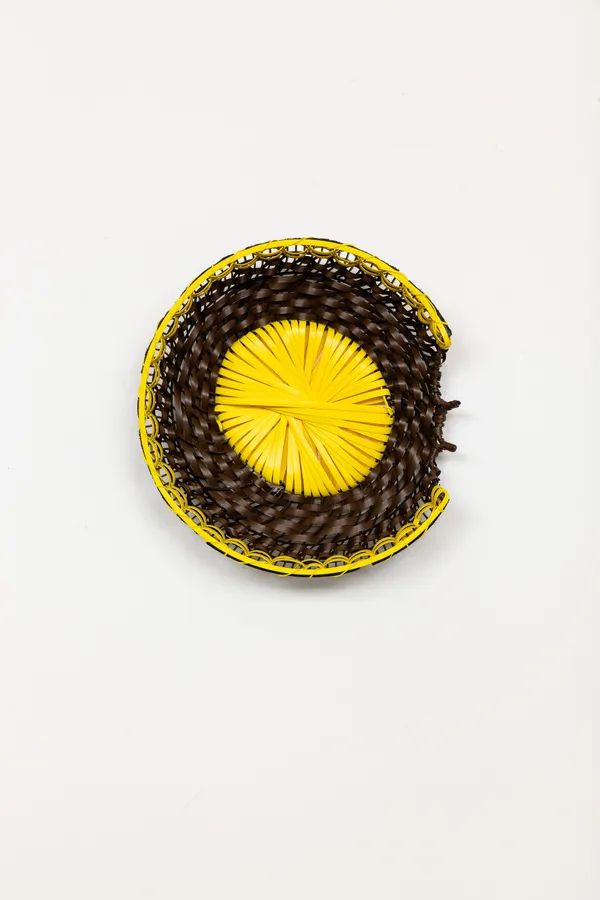
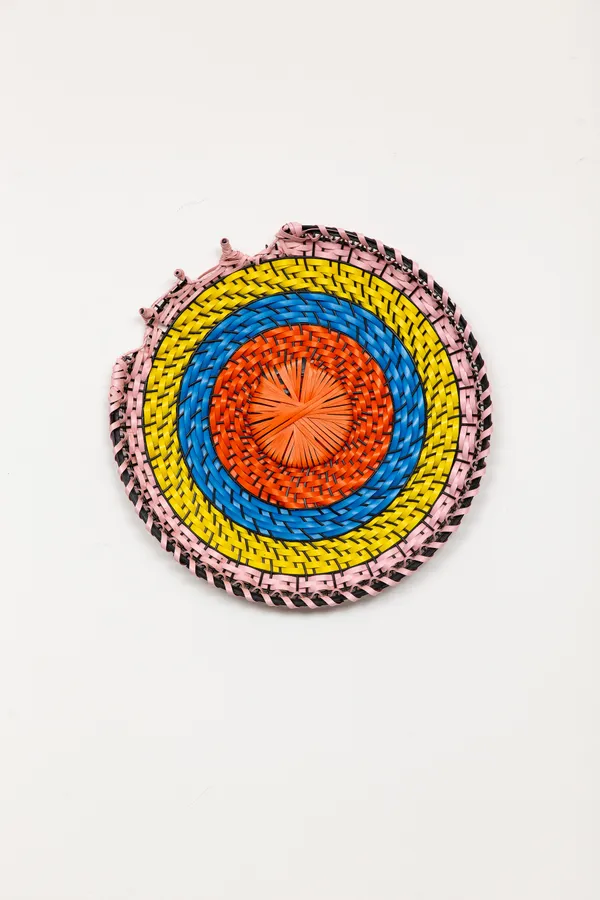
Kókir (Maringá, 2016) is an art collective formed by Tadeu Kaingang and
Sheila Souza. The collective's works arise from a collaborative relationship
with artists from the Kaingang ethnic group and other diverse Brazilian
indigenous ethnic groups. In developing the collective's concept, they
incorporate traditional Kaingang basketry and visuality. Kókir means hunger
in the Kaingang language, and the collective addresses this theme in its
multiple meanings. The synthetic fibers that intertwine in Kókir's works relate
their traditional works to the contemporary art system, creating a new
narrative for their productions within art history, revisiting issues of authorship
and deterritorialization.
Nara Guichon (Santa Maria, 1955) grew up braiding and weaving. The artist
says she learned to work with threads at a very early age, with her family, and
that she made her first knit as a child. Another of Nara's great passions is
nature. The artist is an environmentalist who for 30 years has been doing
important environmental work through the recovery of fishing nets discarded
at sea. By combining environmentalism and her technical textile expertise
acquired throughout her life, Nara enters the world of contemporary art,
producing sculptures and creating fabrics from the fishing nets she recovers
from the sea. The net threads are woven and knitted to create works that
highlight the urgent need to care for our environment.
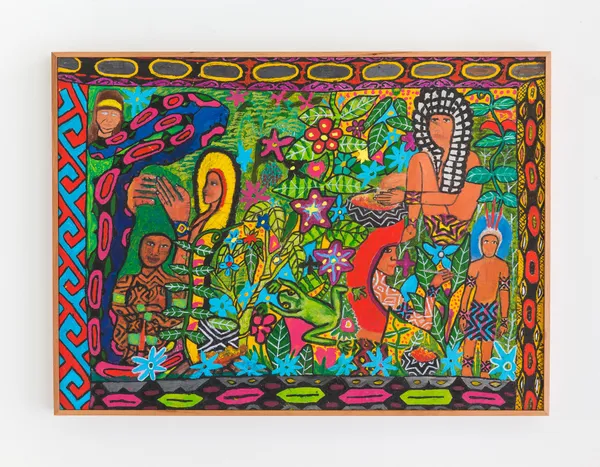
For MAHKU - Movement of Huni Kuin Artists - (Jordão, 2012), what is
being woven are worlds; the invisible world of the forest and the visible
world that is revealed when visually translating traditional Huni Kuin
songs and myths. The relationship they establish with the non-
indigenous world by using painting as a communication technology
complements the weave created from the movement's artistic production.
Weaves between sound and image, with contemporary art as a
platfor m for translating an oral culture, generating autonomy, and cultural
strengthening.
Roney George (Itapetinga, 1973) is an artist born in the hinterland of
Bahia, who moved to Salvador at a young age, where he graduated from the
School of Fine Arts at the Federal University of Bahia (UFBA). In his
work, Roney combines his hinterland and Afro-diasporic identities,
creating compositions that expose these intertwined narratives. Roney's
new phase of work incorporates visual elements that the artist has been
developing since the beginning of his career. Roney brings to
contemporary art a unique work that embodies the vision of a vibrant
candomblé sertanejo, artist, and intellectual.
-
 Roney George, Àdúrà, 2025
 -
Roney George, Ogan, 2025
-
Roney George, Encruzilhada, 2023 - 2024
-
Roney George, Vaquejada , 2023 - 2024


-
Roney George, Poema para um caboclo sertanejo, 2025
-
Kókir, Kurã /Luz, série Mordidas, 2025
-
Kókir, Emin/Caminho , 2025
-
Kókir, Candói, série Mordidas, 2016